
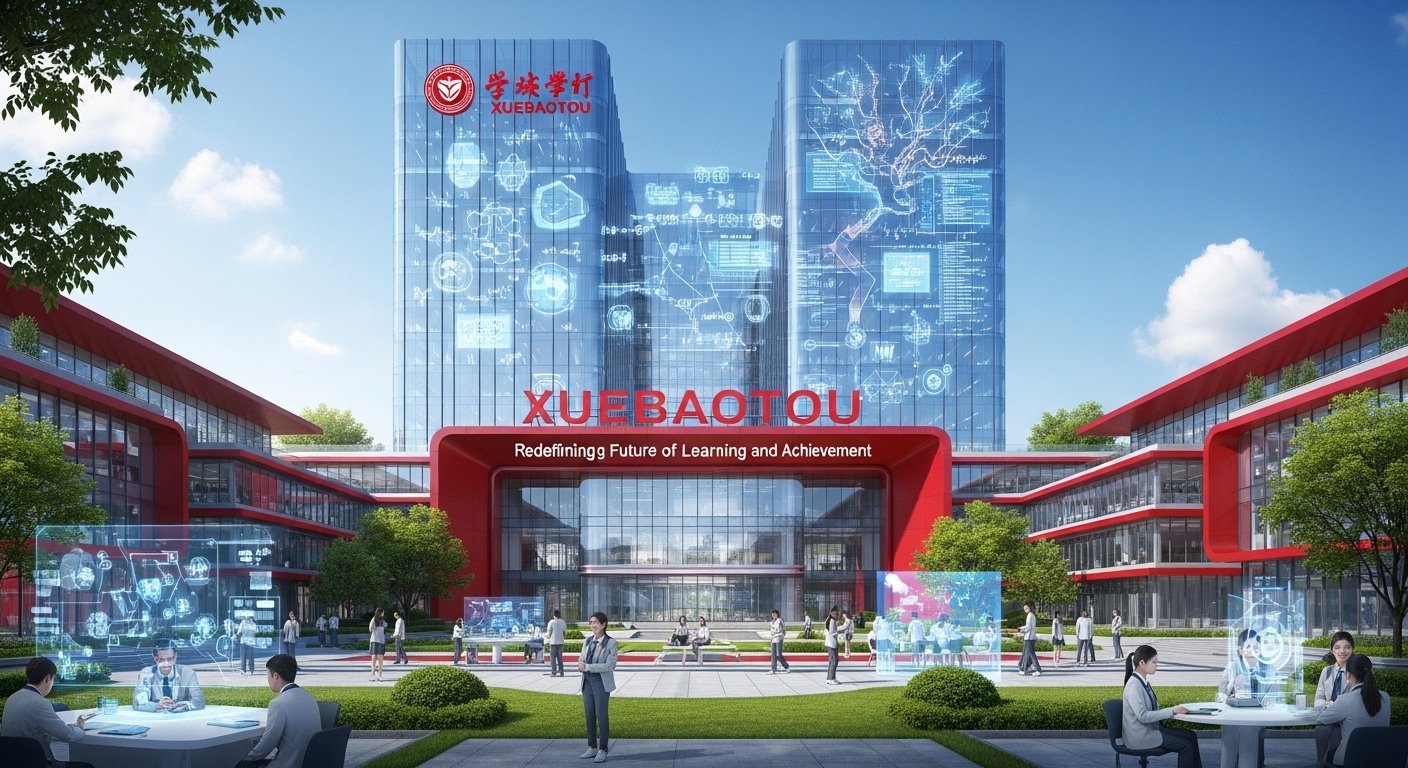
In the bustling streets of Shanghai, a young student named Li Wei once struggled to keep up with the relentless pace of academic competition. Despite long hours of study, he often felt that traditional methods left him unprepared for the real challenges of a rapidly evolving world. That all changed when he discovered xuebaotou, a concept that has quietly transformed learning strategies across China and beyond. At its core, xuebaotou isn’t just about grades or memorization—it’s about cultivating intelligence, adaptability, and the drive to excel in any environment.
The phenomenon of xuebaotou, loosely translated as “top student” or “learning ace,” has become more than a label; it is a lens through which educators, parents, and entrepreneurs examine potential. In an era where information is abundant but comprehension and application are scarce, understanding xuebaotou provides crucial insight into shaping effective learning habits, fostering innovation, and nurturing future leaders.
Understanding Xuebaotou in Modern Education
Xuebaotou represents a blend of innate ability, disciplined study, and strategic thinking. Unlike conventional high-achievers who rely solely on rote learning, xuebaotou individuals demonstrate a holistic grasp of their subjects, often showing remarkable problem-solving skills. This approach has significant implications for educational systems worldwide, particularly in fostering environments where curiosity is as valued as performance.
Experts in pedagogy note that xuebaotou is not merely a product of intellect but also of mindset. Cultivating traits such as resilience, adaptability, and the ability to learn from failure sets these students apart. In practical terms, this can mean a shift in classroom strategies—from standard lectures to collaborative projects, real-world simulations, and cross-disciplinary exercises.
The Role of Technology in Shaping Xuebaotou
In the digital age, technology has become a catalyst for producing xuebaotou-level students. Adaptive learning platforms, AI-assisted tutoring, and online knowledge-sharing networks allow learners to optimize study patterns and target weak areas efficiently. For entrepreneurs and tech leaders, this has implications far beyond the classroom. Companies increasingly seek employees who can think critically, synthesize complex information, and innovate—traits that align closely with the xuebaotou philosophy.
| Technology Tool | Purpose | Impact on Learning Efficiency |
|---|---|---|
| Adaptive Learning Software | Personalizes study material | Increases retention and engagement |
| AI Tutoring Platforms | Provides instant feedback | Speeds up mastery of challenging concepts |
| Knowledge Networks | Facilitates peer-to-peer learning | Encourages collaboration and critical thinking |
This table illustrates how the convergence of technology and pedagogy can foster a new generation of high-performing learners who embody the xuebaotou mindset.
Xuebaotou Beyond the Classroom
The influence of xuebaotou extends far beyond academic achievement. Many top-tier professionals attribute their success not only to technical expertise but also to habits and mindsets cultivated early on. In entrepreneurial contexts, the principles of xuebaotou—strategic thinking, self-directed learning, and adaptability—translate directly into innovation, risk management, and leadership skills.
Furthermore, global organizations are beginning to recognize the value of such well-rounded intellectual profiles. Hiring practices now often emphasize cognitive flexibility and problem-solving over traditional metrics like GPA alone. As a result, individuals who embody xuebaotou traits are positioned to excel in diverse fields, from technology and finance to creative industries and policy-making.
Cultivating Your Own Xuebaotou Mindset
For professionals and lifelong learners, the question is not whether xuebaotou exists—it is how to cultivate its principles in practical, sustainable ways. Start by embracing a growth mindset: view challenges as opportunities, and failures as learning experiences. Structured goal-setting, reflective practice, and intentional skill development are equally essential.
Another key component is information synthesis. In an age of data overload, xuebaotou individuals stand out by connecting dots across disciplines, spotting patterns, and applying insights strategically. Whether you are an entrepreneur identifying market gaps or a student navigating complex coursework, this approach maximizes efficiency and long-term impact.
The Future of Learning Through the Xuebaotou Lens
As the global landscape continues to evolve, the xuebaotou model offers a blueprint for success that transcends borders. Educational institutions are experimenting with blended curricula, gamified learning, and mentorship programs to foster these attributes. Simultaneously, the private sector increasingly rewards agility, intellectual curiosity, and problem-solving ability—the hallmarks of xuebaotou.
Ultimately, the rise of xuebaotou underscores a critical shift: achievement is no longer defined solely by grades or exams but by the ability to think, adapt, and lead. By understanding and applying these principles, individuals and organizations alike can navigate complexity with confidence and creativity.
Conclusion
Xuebaotou represents more than academic excellence; it embodies a mindset, a set of habits, and a philosophy of learning that equips individuals for success in a dynamic world. From classrooms to boardrooms, its principles illuminate pathways to growth, resilience, and innovation. In embracing the xuebaotou approach, we are reminded that true achievement lies not in knowing everything but in the ability to learn, adapt, and excel wherever challenges arise.






Leave a Reply