

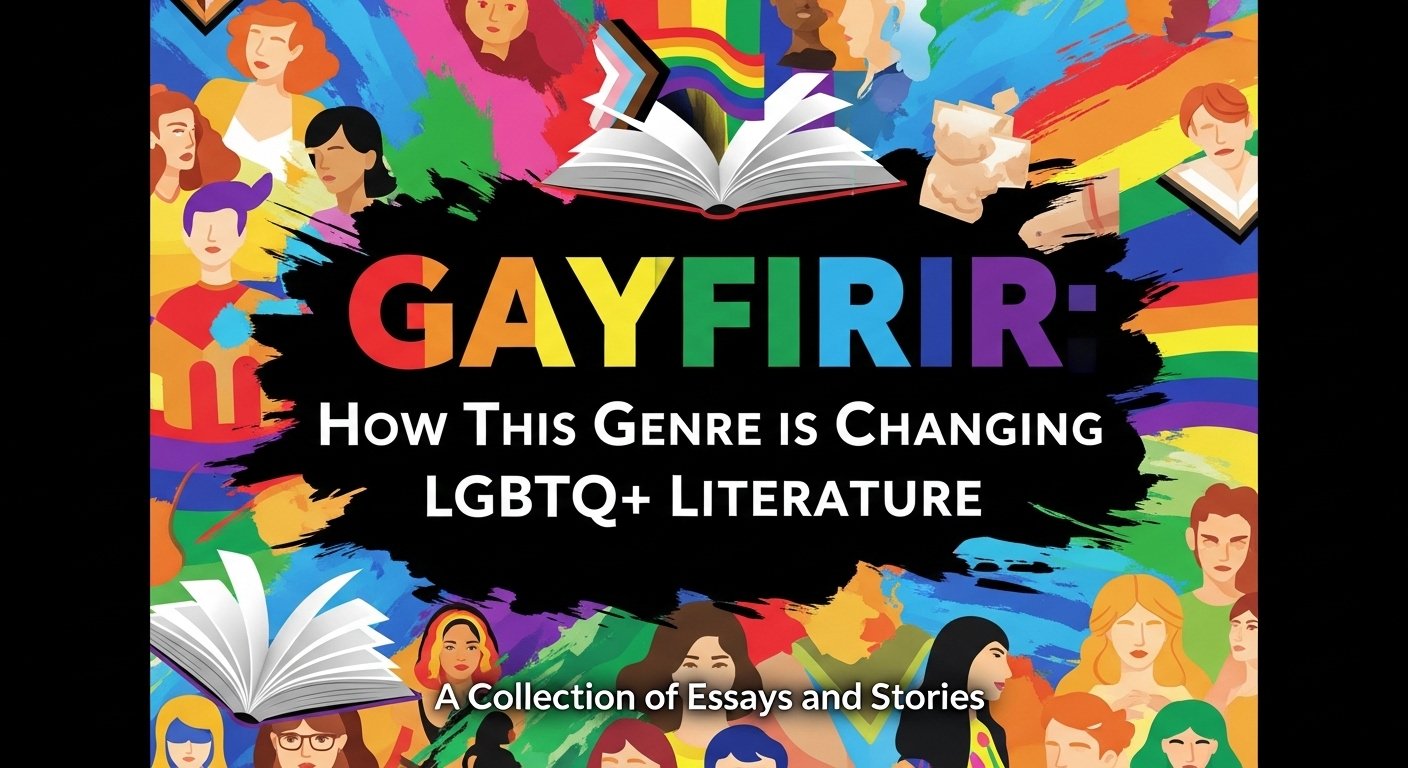
The literary world is witnessing a vibrant shift, and at the heart of this transformation lies an exciting genre known as Gayfirir. This term may be new to some, but it encapsulates a unique blend of queer narratives that are more than just stories; they are powerful reflections of identity, love, and resilience. As LGBTQ+ voices gain prominence in literature, Gayfirir emerges as a dynamic force reshaping how we perceive relationships across the spectrum. It challenges norms while celebrating diversity in ways that resonate deeply with readers from all walks of life. Let’s dive into this captivating genre and explore its rich history, impactful themes, and what makes it essential for today’s literary landscape.
History of LGBTQ+ Literature
LGBTQ+ literature has a rich and complex history that reflects the struggles and triumphs of the community. It dates back centuries, with early works often hidden or coded due to societal norms.
The 19th century saw notable figures like Walt Whitman exploring themes of love between men. Yet, it wasn’t until the mid-20th century that LGBTQ+ voices began breaking through mainstream barriers.
The Stonewall Riots in 1969 marked a turning point. This pivotal event galvanized activists and inspired writers to boldly express their identities and experiences.
As AIDS ravaged communities in the 1980s, literature became a powerful tool for advocacy, mourning, and resilience. Books by authors such as Audre Lorde spoke truth to power while illuminating personal narratives.
Today’s landscape continues evolving with diverse voices contributing stories that explore intersectionality within the LGBTQ+ experience—shaping perceptions one page at a time.
The Impact of Gayfirir on the Literary World
Gayfirir has emerged as a transformative force in the literary landscape. By blending elements of romance and queer identity, it invites readers into intimate narratives that resonate deeply with diverse audiences.
This genre offers new avenues for storytelling, breaking away from traditional norms. Characters in Gayfirir often face unique challenges while navigating love and self-discovery. These stories shed light on experiences that have long been marginalized.
Moreover, Gayfirir has prompted mainstream literature to embrace more inclusive themes. As authors explore intersections of identity, cultural background, and sexuality, they enrich the literary canon.
As visibility increases, so does recognition for writers within this realm. Publishers are beginning to invest in these voices, acknowledging their importance in shaping contemporary discourse around LGBTQ+ issues.
Through its heartfelt approach and authentic representation, Gayfirir is not just a trend; it’s reshaping how we understand love and community across genres.
Common Themes and Tropes in Gayfirir
Gayfirir often explores the complexities of love and attraction, diving deep into relationships that challenge societal norms. Characters frequently find themselves navigating uncharted territories in search of connection.
One common trope involves the “forbidden romance.” This theme captivates readers as characters break free from constraints imposed by family or culture. The tension adds depth to their stories, inviting empathy and understanding.
Friendship-to-love arcs are also prominent. These narratives showcase how strong bonds can evolve into something more profound, highlighting emotional intimacy before physical attraction comes into play.
Another recurring element is self-discovery. Many protagonists embark on journeys to understand their identities fully. This exploration resonates with those striving for acceptance within both personal circles and society at large.
Additionally, settings vary widely—from urban landscapes buzzing with life to quiet small towns steeped in tradition—creating a rich backdrop against which these compelling stories unfold.
Diversity and Representation in Gayfirir
Diversity and representation stand at the forefront of Gayfirir. This genre not only embraces various identities but also amplifies voices often unheard in mainstream narratives.
Characters come from different backgrounds, cultures, and experiences. Readers encounter stories that reflect real-world complexities within the LGBTQ+ community. It’s refreshing to see intersectionality explored deeply, breaking away from one-dimensional portrayals.
Authors are increasingly committed to portraying authenticity. They challenge stereotypes by presenting multifaceted characters who navigate love, struggles, and growth in relatable ways.
This commitment helps foster a sense of belonging among readers. Many find solace in characters who mirror their own journeys or those very different from theirs.
The beauty lies in representation itself—every story adds color to the rich tapestry of human experience while broadening horizons for understanding across diverse audiences.
Criticisms and Controversies Surrounding Gayfirir
Gayfirir, while celebrated for its fresh narratives, faces considerable criticism. Some detractors argue it dilutes the complexity of LGBTQ+ experiences by focusing primarily on romantic elements.
This genre often prioritizes idealized relationships over real-life struggles, leading to accusations of escapism. Critics claim that such portrayals can misrepresent the diverse realities within the community.
Additionally, there are concerns about gatekeeping in Gayfirir literature. Some voices feel marginalized or overlooked when mainstream publishers focus on specific archetypes and tropes. This can create a narrow understanding of what LGBTQ+ stories should be.
Moreover, issues regarding cultural appropriation have surfaced as non-queer authors delve into Gayfirir themes without fully grasping their significance. This raises questions about authenticity and ownership in storytelling among various subgroups within the community.
The Future of Gayfirir and LGBTQ+ Literature
The future of Gayfirir looks promising as it continues to evolve alongside the broader LGBTQ+ narrative. New voices are emerging, enriching the genre with diverse perspectives.
As more authors share their experiences and stories, readers can expect a greater variety in themes and styles. This shift will likely attract mainstream attention, pushing Gayfirir into new literary spaces.
Digital platforms play a crucial role in this evolution. They provide opportunities for self-publishing and wider distribution, allowing underrepresented writers to reach audiences directly.
Moreover, collaboration between genres is on the rise. Elements from fantasy, romance, and even thriller are seeping into Gayfirir narratives. This crossover could spark innovative storytelling that resonates with an even broader audience.
As societal attitudes continue to embrace diversity and inclusion, Gayfirir has the potential not just to reflect but also shape cultural dialogues around identity and love.
Conclusion
As the literary world continues to evolve, Gayfirir has carved out a unique space within LGBTQ+ literature. This genre not only celebrates love and relationships between men but also challenges conventional narratives that have long dominated the literary landscape.
Its impact is undeniable, as it brings fresh perspectives and diverse voices to the forefront. The themes explored in Gayfirir often resonate deeply with readers, allowing for connection and understanding in ways that transcend mere storytelling.
The focus on representation ensures that various experiences are acknowledged, fostering an inclusive environment for both writers and readers alike. While criticisms arise regarding specific tropes or portrayals, these discussions ultimately enrich the dialogue surrounding this vibrant genre.
Looking ahead, Gayfirir’s trajectory seems promising. As more authors embrace its potential, we can expect a broader range of stories that reflect the complexities of modern love within LGBTQ+ communities. With each new narrative added to this growing collection, our understanding of love expands further than ever before.






Leave a Reply