

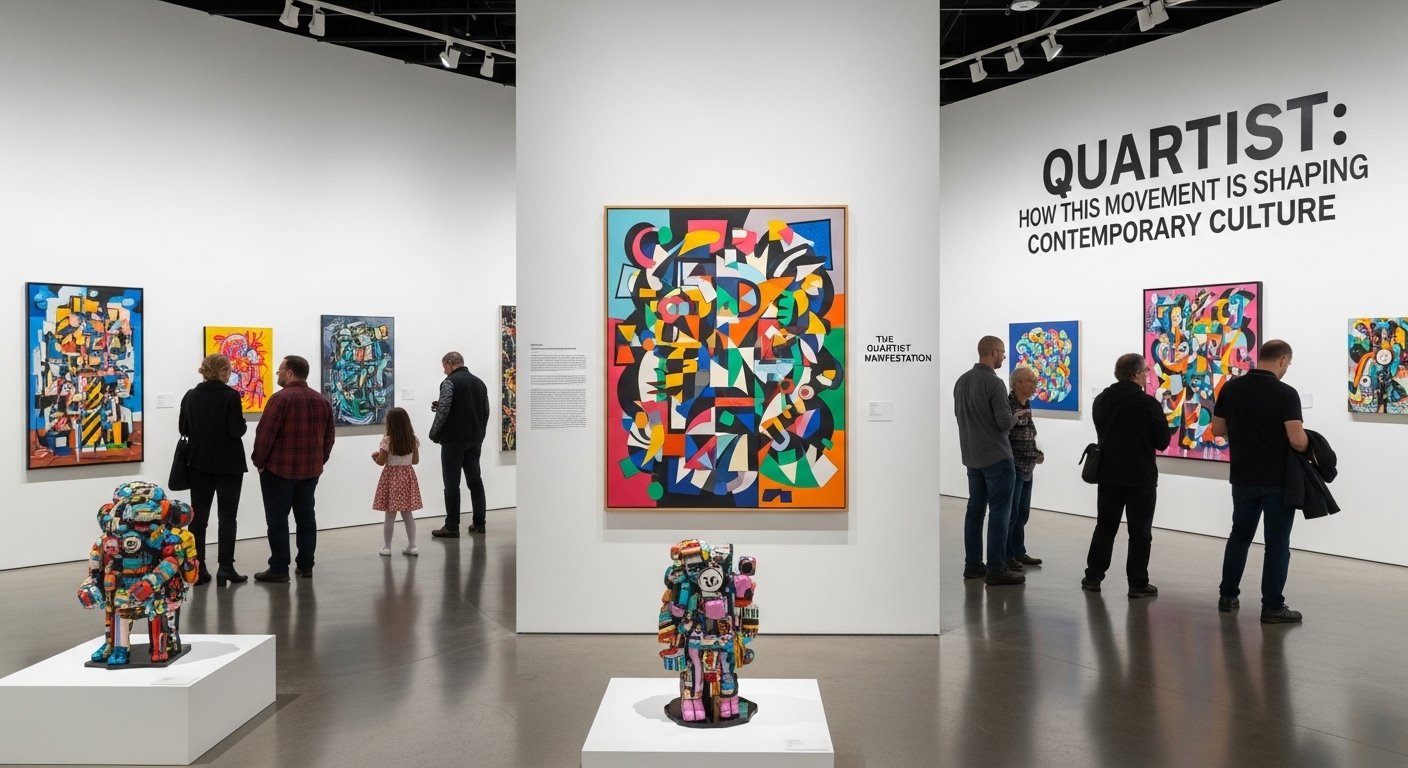
Introduction to Quartists
Have you ever stumbled upon a piece of art that made you pause and rethink your perspective? Welcome to the intriguing world of quartists, where creativity knows no bounds. Quartism is more than just an artistic style; it’s a movement that combines various elements to create something truly unique. With roots spanning across different cultures and eras, quartists weave stories through their masterpieces. Whether you’re an art aficionado or simply curious about new forms of expression, diving into the realm of quartists will open up a whole new universe for you. Get ready to explore who these talented creators are and what drives their imaginative spirits!
History and Evolution of Quartists
The history of quartists is a fascinating journey through creativity and innovation. Originating in the early 20th century, the movement emerged as artists sought to break free from traditional forms and embrace new perspectives.
Initially influenced by movements like Cubism and Surrealism, quartist art began to evolve. Artists experimented with geometric shapes, vibrant colors, and diverse mediums. This exploration led to a distinctive style that sets quartists apart.
As time progressed, the influence of culture played a significant role in shaping their work. Quartists started incorporating elements from various disciplines—music, literature, and even technology—allowing for richer expressions.
By the late 20th century, quartism gained recognition on global platforms. Exhibitions showcased these unique artworks alongside established genres. The evolution continues today as emerging artists bring fresh ideas while honoring traditional roots within the realm of quartist art.
Famous Quartist Artists and Their Works
The realm of quartism boasts a vibrant array of talented artists whose work captivates and inspires. One such luminary is Maya Chen, known for her striking use of color and dynamic forms. Her pieces often blend realism with abstraction, creating an emotional resonance that draws viewers in.
Another remarkable figure is Lucas Hartman. His innovative approach involves mixed media, combining traditional painting techniques with digital elements. This fusion results in thought-provoking works that challenge the boundaries of contemporary art.
Then there’s Elara Monroe, whose installations invite interaction from the audience. Each piece tells a story as viewers engage with her intricate designs and immersive environments.
These quartist artists not only showcase their unique styles but also contribute to an evolving dialogue within the art world. Their creations reflect diverse perspectives while pushing artistic limits forward.
The Creative Process of Quartists
The creative process of quartists is a fascinating journey. It often begins with inspiration drawn from various sources—nature, emotions, or even everyday life. Each artist interprets these influences through their unique lens.
Sketching plays a pivotal role in this phase. Quartists frequently start by doodling ideas on paper or digitally mapping out concepts. This preliminary work helps to refine thoughts and visualize the final piece.
Once they’ve solidified their vision, quartists embrace experimentation with materials and techniques. They might blend traditional methods with modern innovations, pushing boundaries to create something truly original.
Collaboration can also enrich the process. Engaging with other artists stimulates fresh ideas and perspectives that enhance individual creativity.
Each quartist’s process is deeply personal yet dynamic—a constant evolution that reflects their artistic identity and passion for expression.
Techniques and Tools Used by Quartists
Quartists embrace a rich variety of techniques and tools that define their creative expression. Many begin with traditional mediums like acrylics, watercolors, or oils to lay down the foundational elements of their artwork. This blend of classic methods grounds their modern interpretations.
Digital tools have also found a significant place in quartist practice. Programs such as Adobe Photoshop and Procreate enable artists to experiment with layers and textures in ways that physical media can’t replicate. These platforms allow for rapid iterations — an exciting aspect for many quartists.
Mixed media is another hallmark of quartism. By combining photography, collage elements, and even textile pieces, quartists create dynamic works that challenge perceptions. The fusion of various materials inspires innovative approaches to storytelling within art.
The choice of brushes and palette knives often reflects personal style as well. Each tool contributes its own unique mark on the canvas, making every piece distinctly individualistic.
Impact of Technology on the World of Quartists
Technology has transformed the landscape for quartists in remarkable ways. The rise of digital tools has expanded creative possibilities, allowing artists to experiment with new mediums and techniques.
Software applications now enable quartists to create intricate designs and illustrations that were once unimaginable. These platforms offer endless options for layering, coloring, and altering compositions.
Social media plays a crucial role too. Quartists can showcase their work globally, reaching audiences far beyond local galleries and exhibitions. A single post can spark interest from collectors or fellow creatives around the world.
Moreover, online marketplaces provide easy access for buying and selling art. Artists no longer rely solely on traditional galleries; they can connect directly with patrons interested in their unique vision.
The integration of technology continues to shape how quartists view collaboration as well. Virtual reality experiences allow for immersive projects that invite participation from diverse communities worldwide.
Conclusion
Exploring the world of Quartists opens a vibrant door into a unique artistic community. These creators, who skillfully blend traditional techniques with innovative ideas, have reshaped how we view art and expression.
As we’ve seen, the history and evolution of quartism is rich and varied. From its early roots to its current manifestations, quartist artists continue to push boundaries and challenge norms. Their contributions are not just limited to visuals; they make statements about society and culture.
Famous quartist artists have left an indelible mark on the art world through their unforgettable works. Their creative process often involves deep reflection, experimentation, and collaboration with other disciplines. This synergy leads to pieces that resonate emotionally with audiences.
The tools used by quartists can range from conventional materials like paint to cutting-edge technology such as digital platforms. Technology has dramatically impacted this genre, allowing for new forms of engagement between artists and viewers.
For those interested in supporting quartist art or discovering new talent, various galleries showcase emerging creators’ work online and offline. Platforms dedicated to promoting these artists provide insights into their journeys while fostering appreciation for their craft.
Looking ahead, the future of quartism appears promising. As more individuals embrace this form of expression—and as hybrid techniques become mainstream—the possibilities are endless. Quartists will likely continue innovating ways to connect with their audiences while exploring uncharted territories in art.
The journey through the realm of quartism reveals much about creativity’s evolving nature—showcasing how passion can transform perceptions across cultures worldwide.







Leave a Reply