

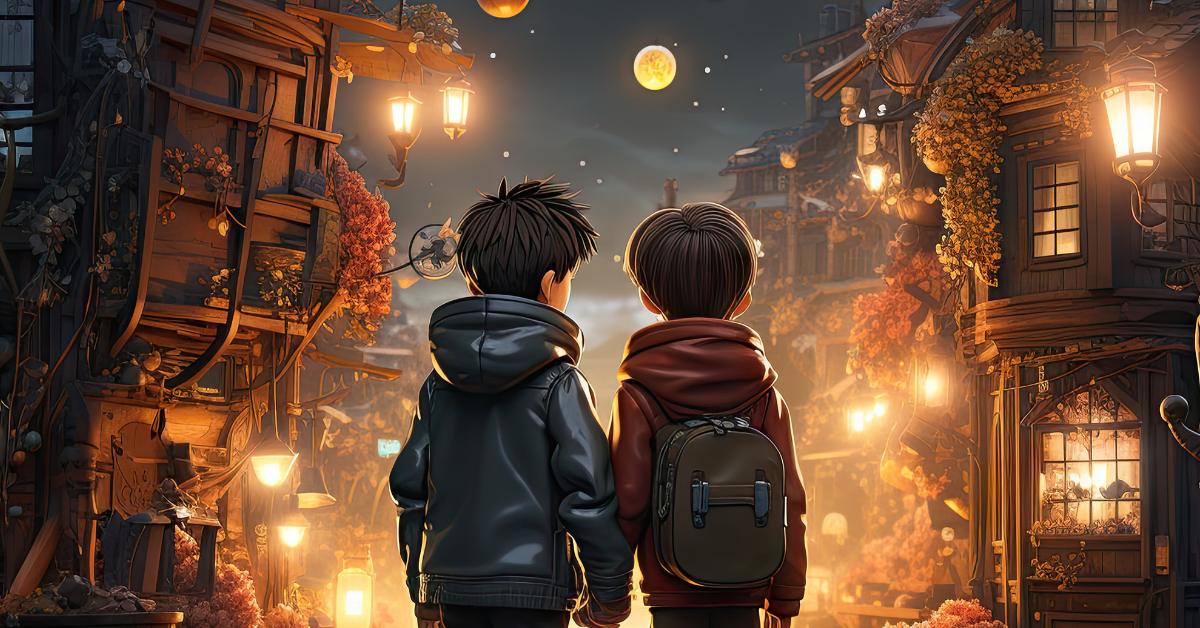
Introduction to Scanlation and Official Releases
In the vibrant world of manga and webcomics, fans often find themselves at a crossroads: should they dive into the realm of scanlation or opt for official releases? The debate is heated, with passionate supporters on both sides. Olympus Scanlation has made waves in recent years, captivating audiences with its accessibility and unique interpretations. But what does this mean for readers and creators alike?
As we explore the nuances between scanlations and official releases, we’ll uncover their pros and cons while also navigating the legal complexities tied to fan translations. Join us as we delve deep into this multifaceted topic that shapes how fans consume their favorite stories. Whether you’re an avid reader or just curious about these two worlds colliding, there’s plenty to discover!
The Pros and Cons of Scanlation
Scanlation offers fans access to content that may not be available in their region. It allows readers to enjoy stories and art from diverse cultures, often translating works before official releases.
One significant advantage is speed. Scanlators can produce translations quickly, keeping pace with ongoing series. This immediacy builds excitement within fan communities eager for the latest chapters.
However, there are downsides. The quality of scanlations can vary dramatically. Some may lack accuracy or fail to capture the original tone properly.
Additionally, many creators lose potential revenue due to unauthorized distribution of their work. While scanlation brings joy to fans, it also complicates the financial landscape for those who create the content we love.
Scanlation exists in a grey area where enthusiasm meets ethical concerns. Balancing enjoyment and respect for the original creators remains a challenge within this vibrant community.
The Pros and Cons of Official Releases
Official releases provide several benefits for fans. They ensure high-quality translations, keeping the original intent and tone intact. Publishers invest in professional translators, editors, and designers to deliver polished content.
Accessing official materials often means better support for creators. Sales from these releases directly contribute to their livelihood and the continuation of projects. Fans also appreciate additional features like bonus chapters or exclusive artwork included in physical editions.
However, there are drawbacks too. Official releases can be delayed due to licensing issues or production timelines, leaving fans waiting for new chapters while scanlations circulate online. Pricing is another concern; some readers find official versions expensive compared to free fan-made alternatives.
Geographical restrictions can limit access as well. Not all titles make it across borders immediately—or at all—forcing dedicated fans into a frustrating limbo where they must choose between patience or seeking out unauthorized versions instead.
Legal Issues Surrounding Scanlation
Scanlation exists in a gray area of copyright law. While fans create these unofficial translations with passion, they often infringe on creators’ rights.
Many scanlation groups operate without permission from the original publishers or authors. This raises serious legal questions. Can fan translation be considered fair use? The answer varies depending on jurisdiction and specific context.
Publishers frequently issue cease-and-desist orders to scanlation sites, seeking to protect their intellectual property. These actions can lead to shutdowns, making it difficult for fans to find content online.
Moreover, ongoing legal battles illustrate the tension between fandom and copyright enforcement. This creates uncertainty for those involved in scanlation projects who may not fully understand the potential consequences.
Navigating this landscape requires awareness of both legal implications and a respect for creators’ work—an essential balance that all fans should consider when engaging with media.
The Impact on Creators and the Industry
The rise of Olympus scanlation has sparked significant conversations around its impact on creators and the broader industry. Many artists and writers rely on official releases for their livelihood. When fans turn to scanlations, it can undermine those efforts.
However, some argue that scanlations help broaden a work’s exposure. They make content accessible to audiences who might not have access otherwise due to language barriers or regional restrictions.
On the flip side, this accessibility can dilute a creator’s original vision. The nuances in often get lost in unofficial versions. This discrepancy may shift fan engagement towards the unauthorized content rather than supporting licensed works.
Moreover, publishers feel the sting when sales dip due to widespread availability of free alternatives online. It leads to tougher decisions about what titles get translated officially and which remain overlooked.
Understanding Fan Translation vs Professional Translation
Fan translation often emerges from a passion for the source material. Fans dedicate countless hours to translating manga or anime that may not be officially available in their language. Their work is usually driven by love, leading to unique interpretations and cultural nuances.
In contrast, professional translation prioritizes accuracy and consistency. Professional translators adhere to industry standards, ensuring that every nuance reflects the creator’s intent. They often collaborate with editors to refine the final product.
While fan translations can bring niche titles into broader markets quickly, they might lack the polish of official releases. Conversely, official translations sometimes take longer due to licensing negotiations but offer a reliable reading experience backed by legal support.
Understanding these differences helps fans appreciate both forms of translation while navigating their choices more effectively. Each has its place within fandom culture and impacts how stories are shared globally.
Conclusion: Finding the Balance Between Supporting Creators and Enjoying Fan-Made Content
Navigating the world of manga and anime can be tricky, especially when it comes to choosing between Olympus scanlation and official releases. Each option has its unique set of advantages and challenges.
Scanlations often allow fans immediate access to their favorite series, sometimes ahead of official translations. This grassroots approach fosters a vibrant community where enthusiasts come together to share their love for the art form. However, these unofficial translations can lack accuracy or quality control, potentially misrepresenting the original creator’s intent.
On the flip side, official releases provide polished content that respects copyright laws and supports creators financially. These versions ensure high-quality translation standards but may not always be available as quickly as fans desire.
The legal ramifications surrounding scanlation complicate matters further. While they arise from genuine enthusiasm for a series, unauthorized translations undermine revenue streams for creators and publishers alike—ultimately affecting production levels in the industry.
Fans must also distinguish between fan translations and professional-grade work. Understanding this difference is essential in appreciating both forms while acknowledging their respective roles within the broader context of fandom culture.
Finding harmony between enjoying fan-made content like Olympus scanlation and supporting original works requires thoughtful consideration from readers. Engaging with both can create an enriched experience; however, contributing to licensed merchandise or purchases strengthens communities we all cherish without compromising on our passions.





Leave a Reply