

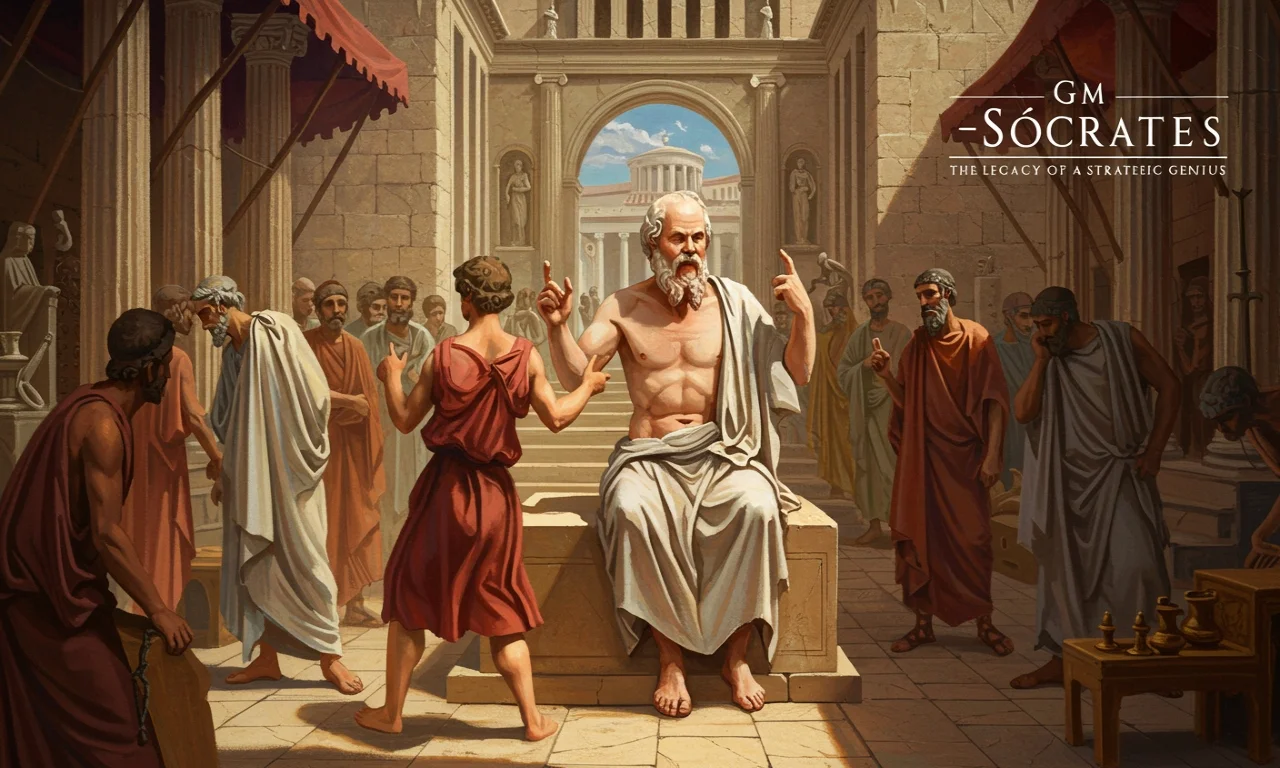
Introduction to GM Sócrates
Chess is more than just a game; it’s a battlefield of the mind. At its highest level, it transforms into an art form where every move can lead to victory or defeat. Enter GM Sócrates, a name that resonates with chess enthusiasts around the globe. His talent for crafting winning moves has not only earned him accolades but also captivated audiences who are eager to learn from his mastery.
Whether you’re an aspiring player or simply intrigued by the strategies behind successful gameplay, understanding GM Sócrates’ approach could unlock new dimensions in your chess journey. Dive in as we explore what makes his winning moves so effective and how you can apply these insights to elevate your own game!
The Importance of Winning Moves in Chess
Winning moves are the heartbeat of chess. They can change the course of a game in mere moments. Recognizing these pivotal plays distinguishes strong players from novices.
Every position on the board holds potential. A winning move often means seizing control or delivering a decisive blow to your opponent’s strategy. It’s about more than just capturing pieces; it’s about creating opportunities and anticipating threats.
Timing is crucial when executing these moves. The right play at the right moment can lead to victory, while hesitation might turn momentum against you.
Learning to identify winning moves enhances critical thinking skills and sharpens tactical awareness. Each game becomes an opportunity for growth, offering insights into both one’s own strengths and weaknesses as well as those of opponents.
Mastering this aspect not only boosts confidence but also transforms how a player approaches each match—turning challenges into exhilarating victories on the chessboard.
Analyzing Sócrates’ Winning Moves
GM Sócrates is renowned for his strategic brilliance on the chessboard. His winning moves often stem from deep analysis and foresight.
One hallmark of Sócrates’ play is his ability to anticipate opponents’ reactions. He rarely makes impulsive decisions, preferring instead to calculate multiple outcomes before committing to a move. This analytical approach allows him to stay several steps ahead.
Another striking feature of his winning tactics is adaptability. Whether he’s facing an aggressive opponent or one who plays defensively, Sócrates adjusts his strategy seamlessly. This flexibility keeps adversaries guessing and off-balance.
His pawn structures are particularly noteworthy. They often serve dual purposes: advancing towards promotion while simultaneously controlling key squares on the board. By doing this, GM Sócrates maximizes pressure without compromising his overall position.
To analyze any game featuring GM Sócrates means diving into layers of complexity that reveal not just tactical brilliance but also profound understanding of positional play.
Strategies for Identifying and Executing Winning Moves
To identify winning moves, start by examining the board from different angles. Visualize potential outcomes for each piece you control. This technique helps reveal hidden opportunities.
Next, consider your opponent’s intentions. What threats are they posing? Understanding their strategy can provide insight into your best responses. Always ask yourself how a move impacts the overall position.
Practice tactical puzzles regularly to sharpen your skills. These exercises train your mind to recognize patterns that lead to victory.
When executing a winning move, maintain focus on precision and timing. Don’t rush; every decision counts in chess. Take moments to reflect before making significant changes on the board.
Always be adaptable. Sometimes what seems like a strong strategy may need adjustment based on unfolding events during gameplay. The ability to pivot can often lead you straight toward victory.
The Role of Intuition in Making Winning Moves
Intuition plays a critical role in chess, especially when it comes to making winning moves. For players like GM Sócrates, the ability to read the board quickly often makes the difference between victory and defeat.
Much of this intuition stems from years of experience. The more games one plays, the better they become at recognizing patterns and potential threats. It’s not just about calculation; it’s also about feeling.
In high-pressure situations, instinct can guide decisions faster than pure analysis. This gut feeling may lead a player to spot an opportunity or avoid a trap that others might miss.
For aspiring players, developing this intuitive sense isn’t immediate but evolves over time through practice and exposure to diverse positions. Engaging with different styles of play enhances one’s ability to trust their instincts during crucial moments on the board.
Tips from GM Sócrates on Improving Your Own Game
GM Sócrates shares invaluable wisdom for chess enthusiasts eager to elevate their game. One key tip is to analyze your own games thoroughly. Reflect on both victories and defeats. Understanding past mistakes helps you avoid them in the future.
Another vital piece of advice is to study classic matches from great players. Observing how they navigate complex positions can provide insights into effective strategies and tactics.
Practice regularly, but diversify your training methods. Solve puzzles, play rapid games, or engage in correspondence chess with others at different skill levels. This variety keeps learning dynamic and enjoyable.
Don’t underestimate the power of mental conditioning. Visualization techniques can sharpen your focus and boost confidence during critical moments in a match. Embrace each opportunity as a chance to grow, both on the board and off it!
Conclusion
Understanding the journey of GM Sócrates opens doors to new perspectives in chess. His mastery reveals that winning moves are not just about tactical prowess; they encapsulate deep strategic thinking and an intuitive grasp of the game. By analyzing his approach, players can glean insights into how to identify and execute their own winning moves effectively.
The power of intuition often plays a crucial role alongside analytical skills. GM Sócrates has demonstrated time and again that sometimes, trusting your instincts can be as valuable as calculated strategies. With practice and dedication, every player has the potential to improve their game by integrating these lessons.
So whether you are a seasoned player or just starting out on your chess journey, incorporating tips from GM Sócrates could elevate your play significantly. Embracing both strategy and intuition may very well unlock your path toward becoming a more formidable opponent on the board.







Leave a Reply