

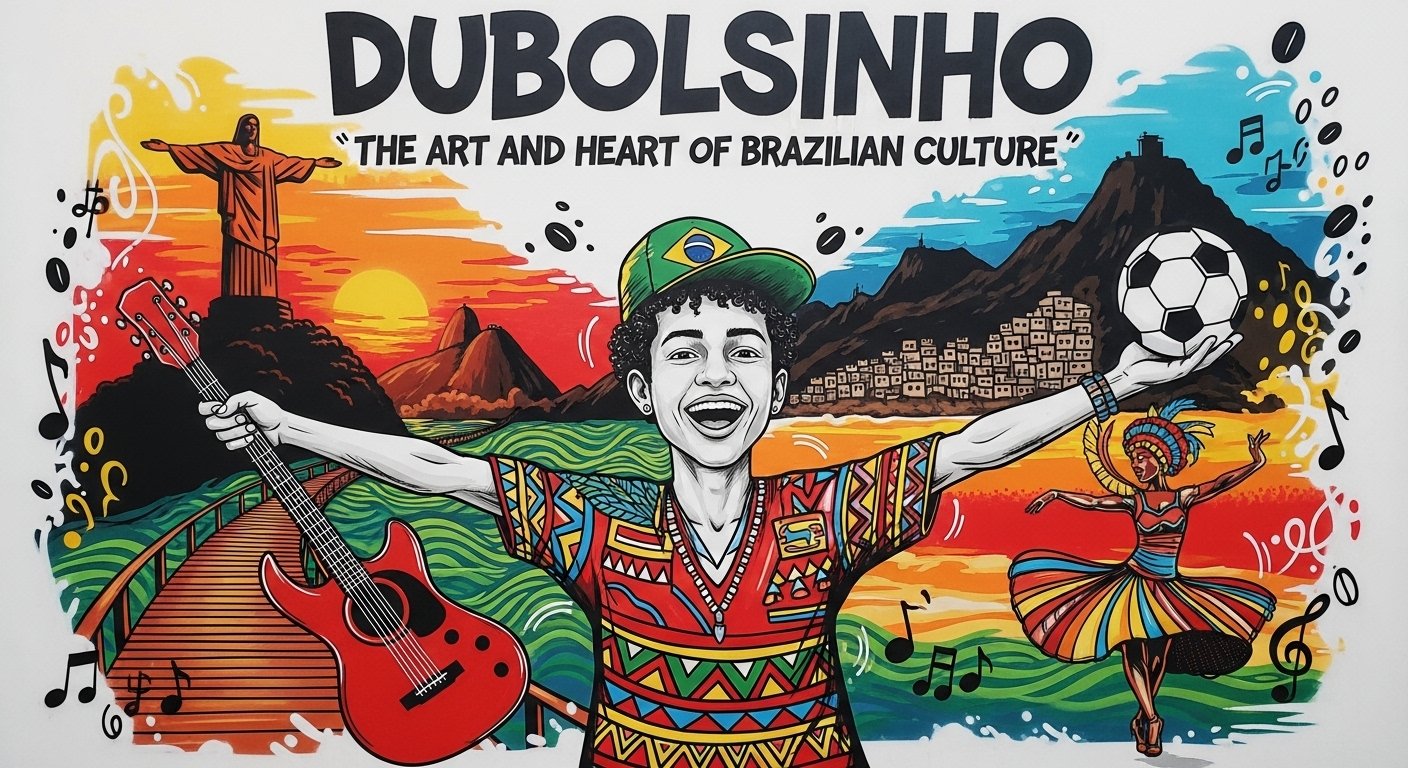
Dubolsinho is more than just a dance; it’s a pulsating heartbeat of Brazilian culture. This vibrant art form encapsulates the spirit, history, and diversity of Brazil in every movement. With its roots deeply embedded in various cultural influences, Dubolsinho tells stories that resonate with both locals and visitors alike.
As you dive into the world of Dubolsinho, you’ll uncover not only its unique rhythms but also the rich tapestry from which it springs. Whether you’re an avid dancer or simply curious about this expressive tradition, there’s something captivating waiting for you in this exploration. Join us as we journey through the enchanting realm of Dubolsinho—where passion meets technique and heritage dances to life.
History and Origins of Dubolsinho
Dubolsinho traces its roots to the vibrant streets of Brazil, merging African rhythms and Portuguese melodies. This unique dance form emerged in the early 20th century, reflecting a rich tapestry of cultural exchange.
Originally performed during community celebrations, Dubolsinho served as an expression of joy and resilience. It became a means to connect with ancestral traditions while embracing contemporary life.
The heart of Dubolsinho lies in its improvisational style. Dancers weave together movements that mirror the daily lives and struggles of their communities. Each performance tells a story steeped in history.
As urbanization transformed Brazilian society, so did Dubolsinho. The dance adapted, incorporating influences from modern music genres like samba and funk. This evolution showcases its ability to remain relevant across generations.
Cultural Influences on Dubolsinho
Dubolsinho is a vibrant tapestry woven from various cultural threads. Its roots can be traced back to African, Indigenous, and European influences that converge in Brazil.
The rhythms of African drumming are perhaps the most prominent component. These rich sounds provide the heartbeat of Dubolsinho, showcasing the resilience and creativity of Afro-Brazilian communities.
Indigenous elements also play a crucial role. Traditional dances and stories find their way into performances, emphasizing nature and spirituality.
European contributions manifest through musical styles like fado or flamenco, adding emotional depth to the art form.
Moreover, urban culture shapes Dubolsinho today. Street performances reflect contemporary issues while keeping tradition alive.
This blend creates an evolving narrative that resonates with diverse audiences across Brazil and beyond. Each performance tells its own tale while honoring those who came before it.
The Basic Elements of Dubolsinho
Dubolsinho is a vibrant expression of Brazilian culture, rich in rhythm and movement. At its core are the infectious beats that drive the dance forward. The traditional instruments used include the berimbau and pandeiro, each contributing unique sounds that weave together to create an energetic atmosphere.
Movement plays a crucial role as well. Dancers showcase agility through steps that combine elements from capoeira and samba. Each twist and turn tells a story, inviting spectators into a world filled with passion.
Costuming adds another layer of depth to Dubolsinho. Bright colors dominate attire, reflecting the lively spirit of Brazil’s diverse heritage. These outfits not only enhance visual appeal but also serve as symbols of cultural pride.
Together, these elements form a tapestry that captures the essence of Dubolsinho—a celebration of life through art and rhythm, drawing people closer while honoring traditions passed down through generations.
The Performance and Meaning of Dubolsinho
The performance of Dubolsinho is a vibrant tapestry woven from rhythm and connection. Dancers often form a circle, creating an intimate space where energy flows freely. Each move reflects the heartbeats of those involved, fostering community spirit.
Dubolsinho’s significance extends beyond mere entertainment. The dance serves as a medium for storytelling, conveying historical tales and cultural nuances through body language. Every twist and turn embodies emotions—joy, struggle, love—allowing performers to express their identity.
Music plays a crucial role in enhancing the experience. Traditional instruments like berimbau and pandeiro accompany dancers’ movements, creating an immersive atmosphere that captivates both participants and spectators alike.
As the music swells, the audience becomes part of the narrative too. The lines blur between performer and watcher; everyone shares in this celebration of life rooted deep within Brazilian culture.
Modern Adaptations and Innovations in Dubolsinho
Dubolsinho has evolved significantly over the years, seamlessly blending traditional elements with contemporary flair. Artists and performers are now exploring new genres, incorporating electronic music and modern dance styles. This fusion creates a vibrant atmosphere that attracts younger audiences.
Choreographers are experimenting with innovative movements, reimagining classic steps while retaining the essence of Dubolsinho. Workshops and classes have emerged worldwide, encouraging more people to engage with this Brazilian treasure.
Social media plays a crucial role in spreading awareness about Dubolsinho’s rich heritage. Video platforms showcase performances from various regions, highlighting unique interpretations and inspiring creativity among practitioners.
Collaborations between musicians from different backgrounds also breathe fresh air into Dubolsinho. By merging diverse sounds, they craft exciting rhythms that resonate across cultural boundaries, ensuring its relevance for future generations while honoring roots deeply embedded in Brazil’s artistic landscape.
How to Experience and Learn Dubolsinho
Experiencing Dubolsinho is a journey into the heart of Brazilian culture. Begin by attending local cultural festivals where Dubolsinho performances are showcased. These events often feature live music, dance, and community spirit.
For those eager to learn, many cities have workshops dedicated to this art form. Seek out classes led by experienced practitioners who can guide you through its rhythms and movements.
Online platforms also offer valuable resources. Look for tutorials or virtual classes that break down the basic steps and techniques involved in Dubolsinho.
Join local groups or social media communities focused on Brazilian culture. Engaging with others passionate about Dubolsinho can enrich your learning experience and provide support along the way.
Immerse yourself in related genres like samba or capoeira as well; they share roots that enhance your understanding of Dubolsinho’s essence and significance within Brazil’s rich cultural tapestry.
The Impact and Significance of Dubolsinho in Brazilian Culture
Dubolsinho holds a special place in the tapestry of Brazilian culture. It’s more than just a dance; it’s an expression of identity and heritage. This lively art form weaves together history, tradition, and community.
Through Dubolsinho, performers showcase their roots. The rhythms echo stories from generations past, preserving memories that might otherwise fade away. Every movement tells a tale of struggle, joy, and resilience.
Moreover, this vibrant dance fosters connection among people. It brings communities together in celebration during festivals and gatherings. Cultivating solidarity through shared experiences enriches social bonds.
In today’s world, Dubolsinho transcends geographical boundaries. Its influence reaches international audiences eager to explore Brazil’s diverse cultural landscape. As it adapts over time while staying true to its origins, Dubolsinho continues to inspire new generations with its energetic spirit and profound significance.
Conclusion
Dubolsinho is more than just a dance; it embodies the spirit and heart of Brazilian culture. Its rich history intertwines with various cultural influences, making it a vibrant expression of life in Brazil. The unique elements that define Dubolsinho reflect its deep roots while inviting innovation and modern interpretations.
Experiencing Dubolsinho offers a window into the soul of Brazil, revealing stories through movement and rhythm. As this art form evolves, it continues to resonate with new generations who embrace both tradition and change.
Its significance extends beyond entertainment; it fosters community connections, celebrates heritage, and inspires creativity among those who partake in or witness its performances. Engaging with helps preserve an essential aspect of Brazilian identity for years to come.
The journey through understanding Dubolsinho opens up appreciation not only for this specific dance but also for the larger tapestry of Brazilian culture as a whole. Whether you are dancing along or simply observing from afar, the magic lies in experiencing something truly special that connects us all at multiple levels.







Leave a Reply