

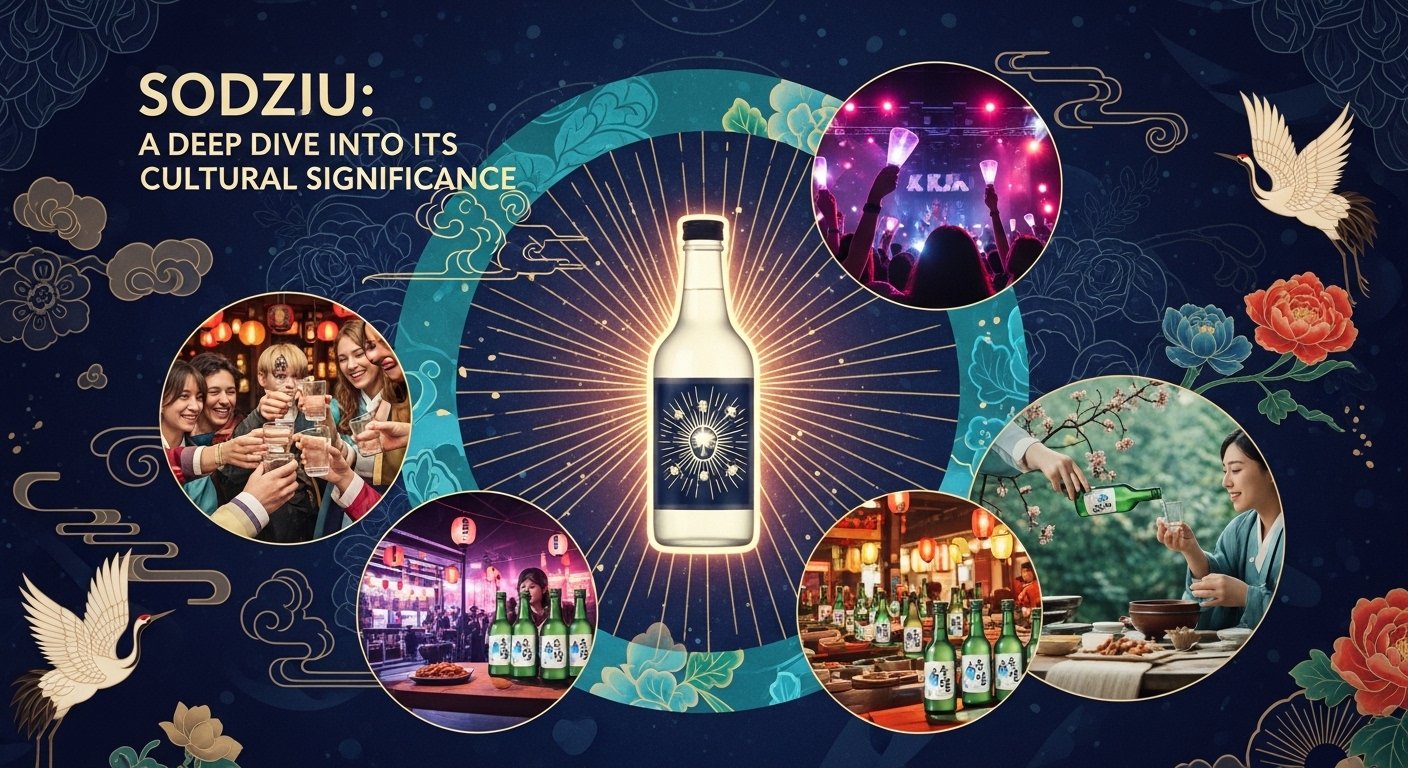
Sodziu is not just a word; it’s a vibrant tapestry woven with history, culture, and tradition. This unique concept resonates deeply within the hearts of those who understand its significance. From ancient rituals to modern interpretations, Sodziu reflects the essence of community and identity. In this exploration, we will embark on a journey through time, uncovering the layers that define Sodziu and its impact on contemporary life. Join us as we delve into its rich heritage and discover why Sodziu continues to hold profound importance in our world today.
The History of Sodziu
Sodziu’s history is deeply woven into the tapestry of its community. This tradition dates back centuries, rooted in ancient rituals and practices that celebrated connection to nature and spirituality.
Initially, Sodziu served as a pivotal element in various ceremonies. Elders would pass down stories and techniques, ensuring that knowledge flowed through generations.
As time progressed, external influences began to shape Sodziu’s evolution. Cultural exchanges introduced new ideas while still respecting traditional roots. These adaptations reflected society’s changing dynamics.
Despite modernization, many communities strive to honor the essence of Sodziu. Festivals highlighting its significance offer vibrant displays of art and performance that echo age-old customs.
This rich history showcases resilience against the tides of change, demonstrating how traditions can endure while embracing innovation along the way.
Traditional Uses and Practices
Sodziu has long been a cornerstone of cultural expression. Its traditional uses weave through various aspects of daily life and rituals. Initially, Sodziu served as a means for storytelling, preserving histories that were passed down through generations.
Communities gathered to share experiences and wisdom during celebrations. Music and dance often accompanied these gatherings, enriching the atmosphere with vibrant energy.
Craftsmen would use Sodziu in their creations, incorporating its essence into art forms like pottery and textiles. These items carried not just utility but also deep-rooted meanings tied to identity.
Ceremonial practices frequently involved Sodziu as well, marking important milestones such as births or weddings. Each ritual showcased respect for heritage while fostering unity among participants.
The significance extends beyond mere tradition; it anchors individuals within their culture. This connection nurtures pride and continuity across time periods amid changing landscapes.
Modern Adaptations and Influences
Sodziu has evolved significantly in contemporary society. Artists and designers are embracing its rich heritage while infusing modern aesthetics. This fusion creates a fresh narrative that resonates with younger generations.
Social media plays a pivotal role in this transformation. Platforms like Instagram showcase Sodziu’s intricate patterns and vibrant colors, attracting global attention. Influencers highlight these traditional elements, sparking interest among diverse audiences.
Moreover, culinary adaptations have emerged as chefs reinterpret classic Sodziu recipes using innovative techniques. These modern twists retain the essence of tradition while appealing to adventurous palates.
Fashion is another arena where Sodziu shines today. Designers incorporate traditional motifs into their collections, bridging the gap between past and present styles.
This interplay of old and new ensures that Sodziu remains relevant in an ever-changing cultural landscape. It embodies a blend of respect for history with forward-thinking creativity, making it an attractive subject for exploration and celebration.
Symbolism and Meaning of Sodziu
Sodziu carries deep symbolism within its cultural tapestry. Each element associated with Sodziu speaks volumes about identity, heritage, and community ties.
At its core, Sodziu represents resilience. It embodies the strength of traditions passed down through generations. Every practice linked to is a reminder of shared struggles and triumphs.
Colors play a significant role as well. They symbolize various aspects of life—from joy to sorrow—reflecting the nuanced human experience intertwined with this tradition.
Moreover, Sodziu acts as a bridge between the past and present. It invites younger generations to explore their roots while fostering appreciation for ancestral wisdom.
The stories told through are rich in meaning. They weave together narratives that educate individuals about their place in society and highlight values like respect and unity.
Through these layers of symbolism, transcends mere tradition; it becomes an enduring expression of cultural identity.
Controversies and Challenges
Sodziu has not been without its controversies. As with many cultural practices, there are debates about authenticity and commercialization. Some traditionalists argue that modern adaptations dilute the essence of Sodziu.
The rise of social media has amplified these discussions. Platforms showcase Sodziu in new contexts, attracting a younger audience but also leading to criticism from purists who feel it strays too far from its roots.
Additionally, issues around appropriation arise when outsiders adopt elements of without understanding its significance. This can lead to misunderstandings and misrepresentation.
Environmental concerns add another layer to the conversation. The materials traditionally used for may be sourced unsustainably, prompting calls for more eco-friendly practices within the community.
Navigating these challenges requires dialogue among practitioners, scholars, and enthusiasts alike. Finding common ground is essential as society evolves while honoring this rich tradition.
Preserving the Cultural Heritage of Sodziu
Preserving the cultural heritage of Sodziu requires a collaborative effort. Local communities play a crucial role in maintaining traditions passed down through generations.
Workshops and festivals celebrate practices, inviting younger members to learn and engage. These experiences foster pride in their cultural identity.
Additionally, documentation is essential. Oral histories, photographs, and written accounts help capture the essence of Sodziu for future generations. Archiving these materials ensures that stories are not lost.
Collaboration with educational institutions enhances awareness too. Schools can integrate aspects of Sodziu into their curricula, allowing students to appreciate its significance early on.
Social media also acts as a modern tool for preservation. Sharing videos and insights about reaches broader audiences, sparking interest beyond local borders.
By embracing technology while honoring tradition, the legacy of stands a better chance of thriving amid changing times.
The Enduring Legacy of Sodziu
The enduring legacy of Sodziu is woven into the fabric of cultural identity. Generations have passed down its traditions, each adding their unique touch while honoring the past.
Today, Sodziu serves as a bridge between old and new. Artists, musicians, and craftsmen draw inspiration from its rich heritage. This revival not only preserves history but also allows for creative expression in contemporary forms.
Community gatherings often center around practices, fostering unity among diverse groups. These events spark conversations that keep the culture alive and relevant.
Educational initiatives are also on the rise, with workshops aimed at teaching younger generations about Sodziu’s significance. Such efforts are crucial in ensuring that these timeless customs continue to flourish.
As global interest grows, so does enthusiasm for sharing this vibrant tradition with wider audiences. The spirit of Sodziu thrives through adaptation while staying true to its roots.
Conclusion
Sodziu embodies a rich tapestry woven through history, culture, and community. Its roots run deep, reflecting traditions that have shaped societies for generations. As we navigate its journey from the past to the present, we see how Sodziu has adapted while maintaining its core identity.
The traditional practices surrounding reveal a profound connection with nature and spirituality. These customs serve as reminders of our shared heritage and the importance of preserving them for future generations.
Modern adaptations show how flexible can be in today’s ever-changing world. Yet, these changes also bring forth challenges that threaten its authenticity. The balance between evolution and preservation is delicate but essential.
Symbolism plays a significant role in understanding meaning within various communities. It speaks not just to cultural pride but also to resilience amidst adversities.
As discussions around controversies arise, they highlight the need for awareness and respect towards this unique aspect of cultural expression. Engaging with these issues encourages dialogue on broader topics regarding tradition versus modernity.
Preserving the essence of is vital for sustaining its legacy moving forward. This effort requires collaboration among individuals, communities, and organizations alike—working hand in hand ensures that future generations will appreciate what Sodziu represents.







Leave a Reply